


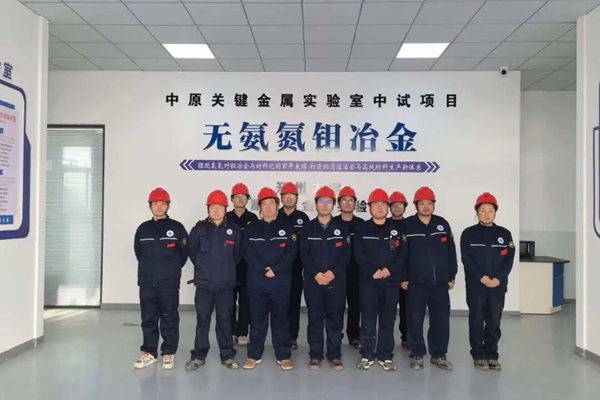
ZZU's critical metals metallurgy team. [Photo/zzu.edu.cn]
A new molybdenum-metallurgy process developed by Zhengzhou University (ZZU) has been included in the national "one-stop" implementation plan for key industrial base products and technologies. The breakthrough process eliminates ammonia nitrogen pollution, a long-standing issue in traditional molybdenum refining.
Molybdenum is a strategic metal essential for high-tech industries, but conventional extraction methods are environmentally damaging and inefficient. For decades, the industry relied on alkaline ammonia systems, which generate significant nitrogen pollution, waste resources, and limit product purity.
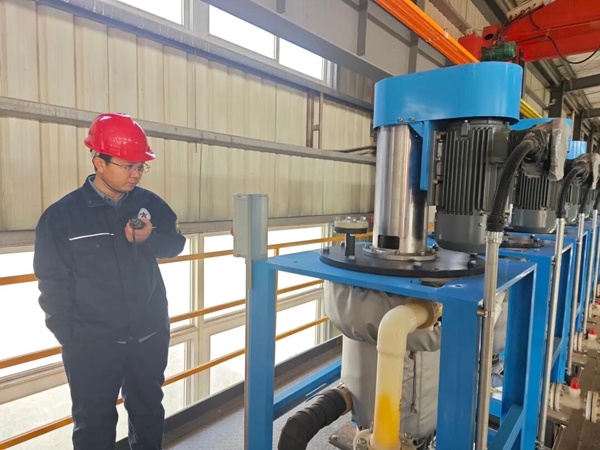
A member of the ZZU team works in the workshop. [Photo/zzu.edu.cn]
Led by Li Yongli, ZZU's critical metals metallurgy team proposed an innovative acid-based extraction method. After extensive experimentation, the new approach achieved a leaching rate exceeding 98 percent. The technology was successfully scaled through pilot trials, producing high-purity molybdenum acid and trioxide at 99.995 percent purity.
Further innovations have led to the development of ultra-pure molybdenum and alloy powders, used in advanced applications such as target materials and nuclear reactor components.
This transition from laboratory research to full-scale industrialization demonstrates how academic innovation can drive industrial upgrading. The technology not only strengthens Henan's molybdenum industry chain but also provides sustainable solutions for high-quality development in China's strategic metals sector.
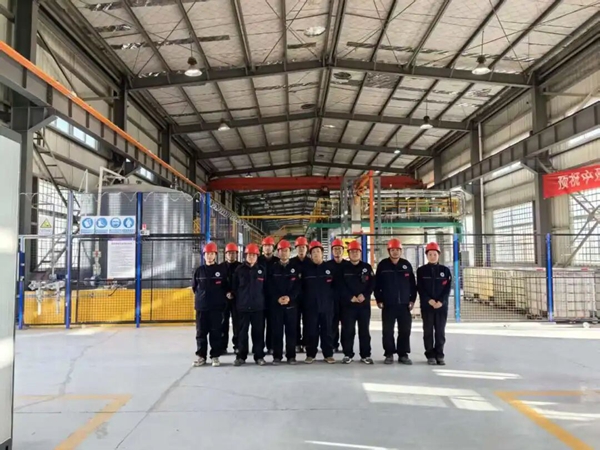
ZZU's critical metals metallurgy team. [Photo/zzu.edu.cn]